Vū AI Summit March 25, 2026 — Tampa, FL

Content at the
Speed of Thought

5,615 AI-generated insights from production professionals, content creators, and technology leaders who spent a day building the future of virtual production together, not just talking about it.

EventVū AI Summit 2026
DateMarch 25, 2026
LocationTampa, FL
FormatKeynotes, Breakouts & Workshops
Vū Intelligence — AI Summit 2026

Stats from the Summit.

By the numbers: 5,615 insights across 15 speakers — captured live from production professionals building the future of content.

0
AI Insights
0
Words Analyzed
15
Speakers
3,568 observations
1,585 suggestions
307 questions
138 connections
Insights by Session
AI Post-Production
1,127
Interactive Experiences
980
Main Stage
968
Agentic AI
886
On-Set Workflows
394

The day we
stopped talking
about AI.

The Vū AI Summit brought production professionals, technologists, and content creators into the same room. Not to discuss AI in the abstract. To build with it. What Vū Intelligence captured across five sessions was a portrait of an industry crossing from experimentation into production.

The sessions covered the full production pipeline. On-set camera and lighting workflows driven by AI. Post-production techniques that compress weeks into hours. Interactive experiences that respond to audiences in real time. Agentic AI systems that automate business operations from lead capture to compliance reporting. And main-stage conversations about where all of it is headed.

Vū Intelligence operated as an ambient layer across all five sessions. It extracted patterns from live dialogue. It built a knowledge graph with over 800 connected nodes. Not a transcription service. Not meeting notes. A real-time pattern engine that maps what the room is actually thinking.

The conversations revealed a consistent theme. The tools have arrived faster than the workflows to use them. Teams that figured out prompt strategies and iteration cycles are producing in hours. What used to take weeks. Teams that haven't are watching from the sideline. Unsure where to start.

What follows is the collective intelligence of the room, organized into the themes that emerged with the strongest signal. This is what the people building the next generation of content actually said when they were in the room together.

Speaker Spotlight

Addy Ghani & Erik Weaver

Denoised Podcast · ETC @ USC — "Scaling AI: Content Creation to Enterprise Workflows"

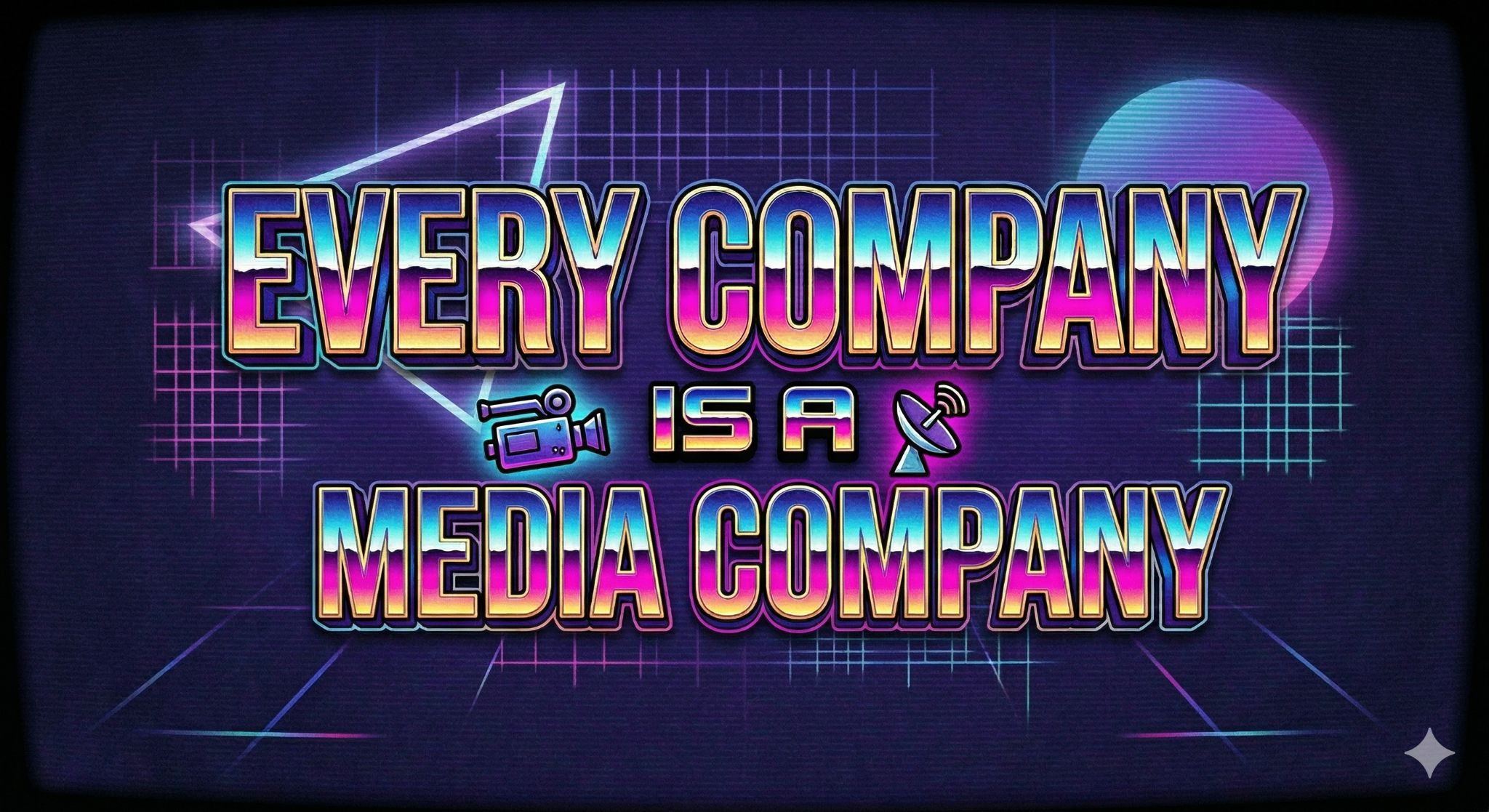
Every Company Is A Media Company

"We're moving into a world where every company is a media company. AI makes media creation accessible to every organization, not just studios. Content pipelines are becoming enterprise infrastructure."

Brand DNA & Custom Fine-Tuning

"The real power is in custom fine-tuning. You train AI on your brand motifs, your colors, your personality, your mood. Then you can localize for China, for India, for any market. One source, infinite outputs."

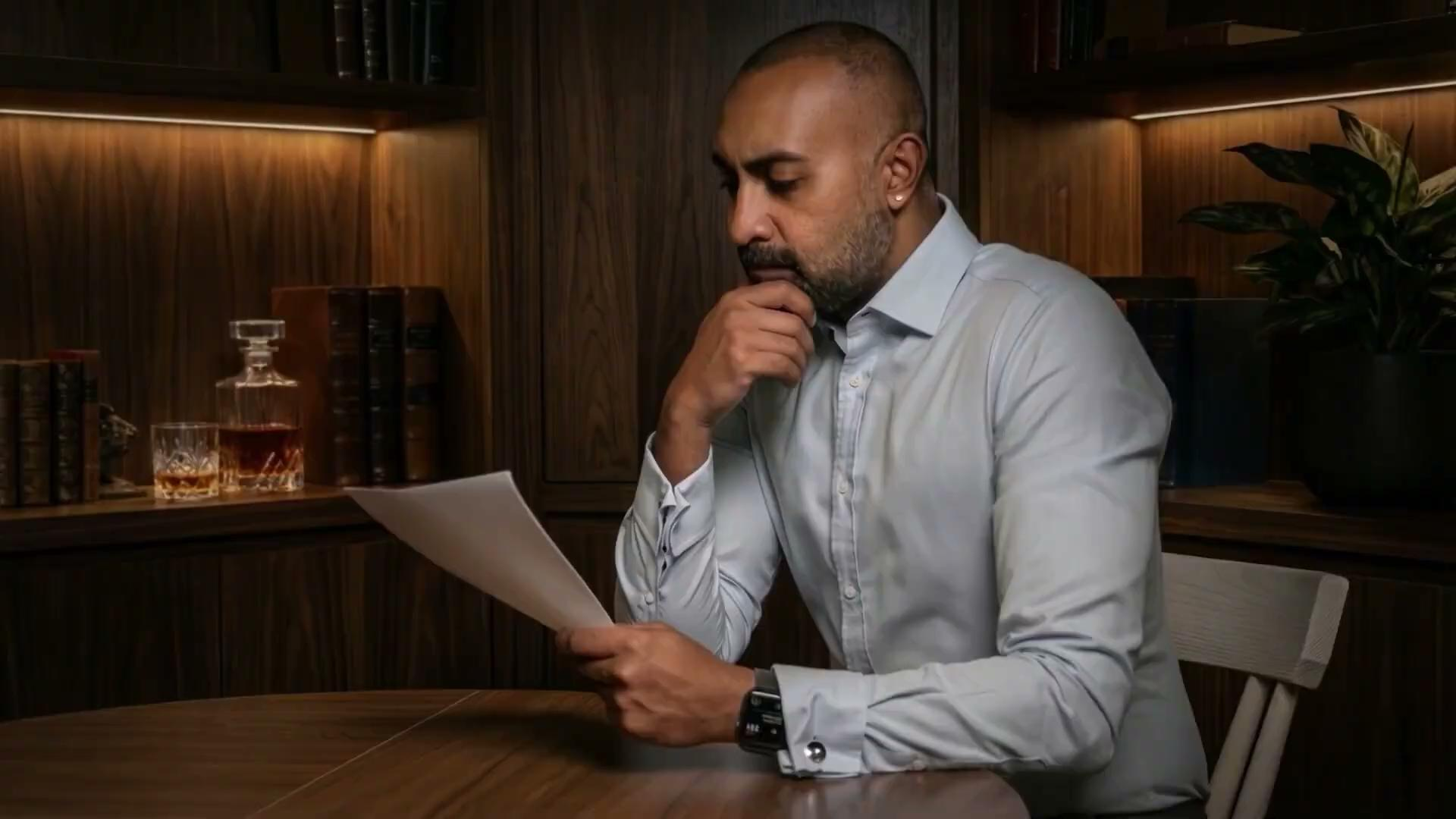
Hybrid Live Action + AI

"The magic happens when you combine live action with AI. Registration objects ground the AI elements in physical space. Real lighting makes it believable. The table grounds the creature. That's how you make AI feel real."

Hybrid Live Action
Hybrid Live Action

Real subject in a virtual environment. Registration objects and perspective matching create seamless composites.

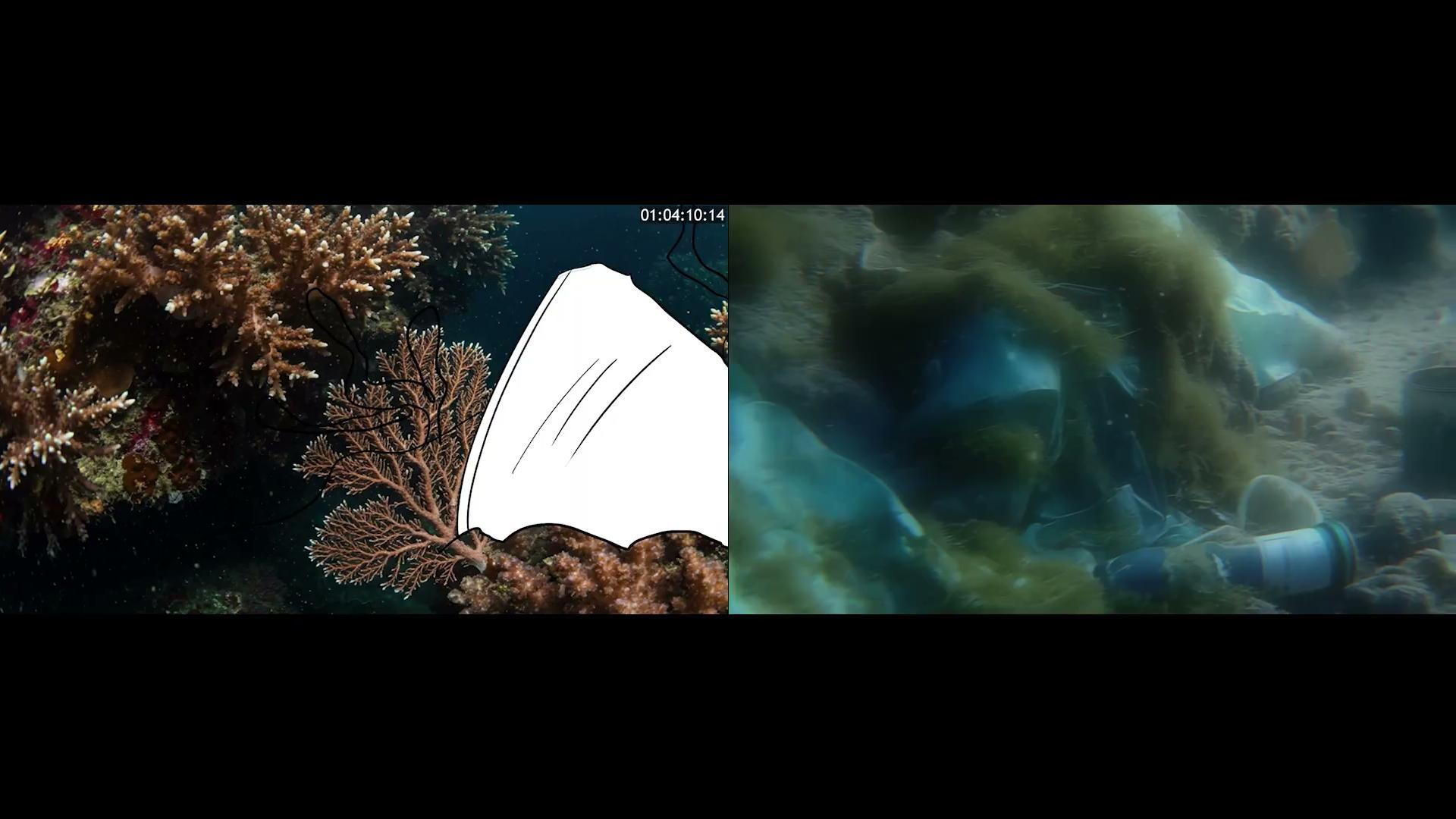
AI Underwater Scene Generation
AI Scene Generation

From coral reefs to deep-sea creatures. AI generates entire environments and populates them with life, frame by frame.

Core takeaway: The gap between "studio-grade production" and "enterprise content creation" is closing. AI custom fine-tuning lets brands localize across markets, seasons, and channels from a single source. The quality threshold and legal/IP layer are the new gatekeeping functions, not production capacity.

Theme Signal Strength
Interactive & Storytelling
1,138
1,138
Prompt Craft & Workflows
569
569
AI Democratization
557
557
Virtual Production
555
555
Collaboration & Community
513
513
Intelligence & Knowledge
508
508
Custom Fine-Tuning
475
475
Industry Disruption
325
325
5,615 INSIGHTS
Observations3,568
Suggestions1,585
Questions307
Connections138
Featured Speakers

The voices that
shaped the day.

Keynote — 12:40 PM
Tim Moore
Founder & CEO, Vū
The Future of AI Content Creation

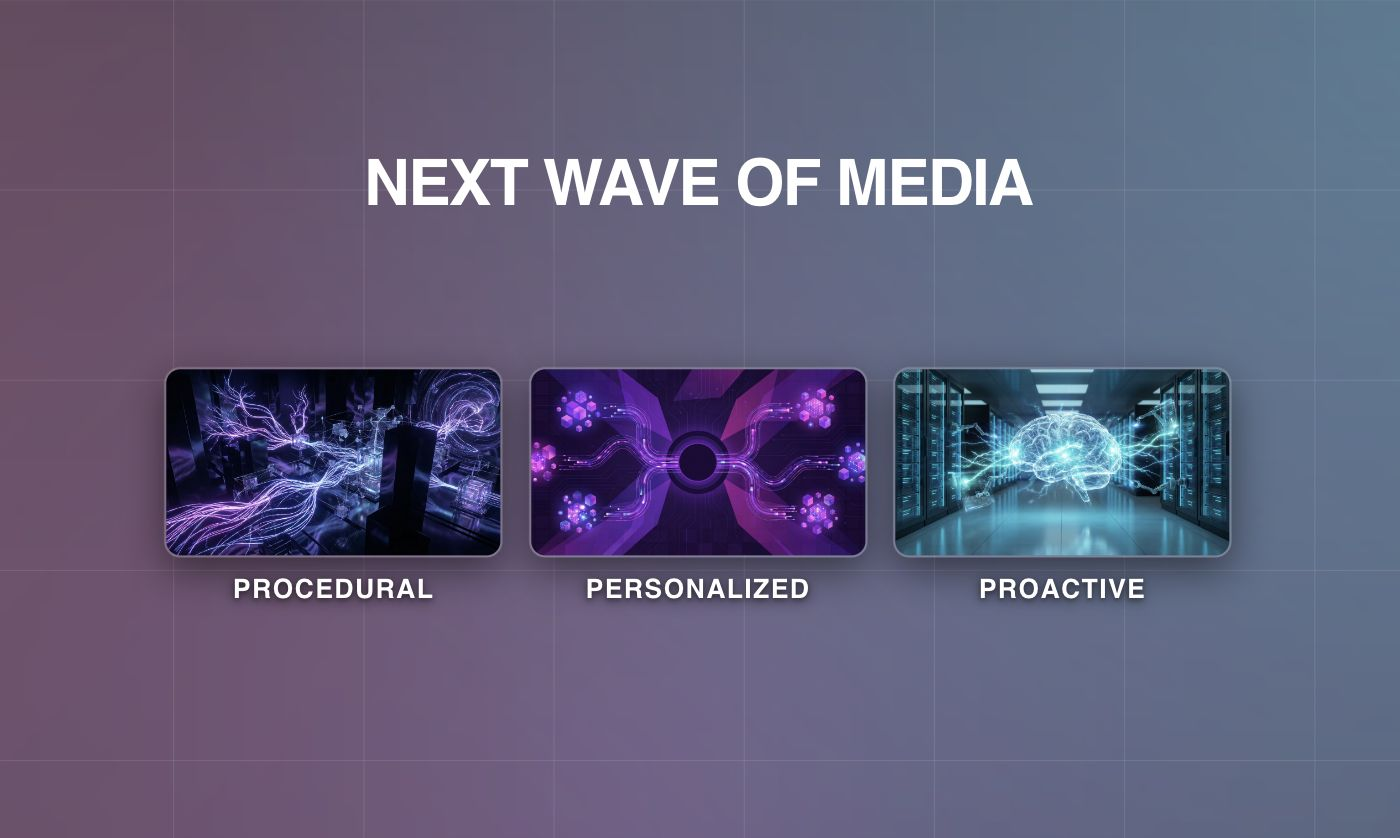
Three principles for where media is headed: procedural content at scale, personalized streams for every viewer, and proactive AI that works before you ask.

Fireside Chat — 10:30 AM
Addy Ghani & Erik Weaver
Denoised Podcast · Entertainment Technology Center
Scaling AI: Content Creation to Enterprise Workflows

How AI tools that started in creative content pipelines are now scaling into enterprise operations, automation, and organizational change.

Keynote — 1:40 PM
Miles Cable & Tim Baldini
Bodega Virtual — Founder & Co-Founder
Editing At The Speed of AI

Deep hands-on expertise in commercial editing. How AI transforms real-world creative workflows from previsualization to final delivery.

Fireside Chat — 3:20 PM
Noah Kadner & Peter Frelik
American Cinematographer Magazine · Vū Podcast
The Intersection of AI + Virtual Production

How AI tools are being woven into real-time virtual production workflows: in-camera effects, environment generation, on-set decision-making.

Demo Room — Sales Area
Kevin DeLucia
Director of VFX, Diamond View Studios
AI Post-Production Workflows

Real client VFX work using AI-powered editing, compositing, and delivery pipelines. How AI transforms professional post-production.

Demo Rooms
Workshop Leaders
Vū Team
On-Set Workflows — Jamie Clemens & Blake Hallman
Interactive Experiences — Cris Coffey & KJ Adames
Agentic AI & Vū Intelligence — Kristy Reed & Alvin Teves

Contents
01
AI post-production
& democratization
02
Interactive experiences
& new storytelling
03
On-set workflows
& prompt craft
04
The next wave
of media
05
Agentic AI &
enterprise workflows
Vū Intelligence — AI Summit 2026
Advanced techniques
accessible to projects
of all sizes and budgets.
01
01 — Vū Intelligence

AI post-production
& democratization.

The tools used to cost millions. Now they cost iteration time.

1,451
Post-production insights

The post-production session produced the highest volume of insights. Across the entire summit. The central claim was backed by working demonstrations. AI makes advanced VFX, compositing, and editing techniques accessible to projects of any size and any budget. Rotoscoping used to take a skilled artist days. Now it takes minutes. Object removal. Rough cut assembly. Best-take selection. All compressed from manual labor into assisted workflows.

The practical reality matched the promise. Participants described getting into a flow state with AI generation tools. They built momentum through rapid iteration. Until the right shot emerged. The process isn't typing a prompt and getting a finished product. It's an iteration cycle. Generate. Evaluate. Adjust the prompt. Reconstruct the approach when something isn't working. Try a different angle. The people producing the best results understood this cycle fastest.

The democratization angle was concrete, not aspirational. Independent creators and small studios now have access to the same post-production techniques that required a full VFX pipeline a few years ago. A project that couldn't afford rotoscoping can now do it. A team of three can produce work that previously required thirty. The cost barrier didn't lower, it largely disappeared for certain categories of work.

But participants were honest about the edges. When the generation isn't working, you have to think differently, reconstruct your prompt, try something entirely new. The tool doesn't replace creative judgment; it amplifies it. The gap between someone who knows how to direct AI tools and someone who doesn't is becoming the defining skill gap in post-production.

Key Takeaway

AI post-production isn't coming; it's here and it's producing broadcast-quality work. The competitive advantage has shifted from "who can afford the tools" to "who learned the iteration cycle first." If your team isn't building prompt strategies and generation workflows today, your competitors already are.

Post-Production Subtopics
AI Content Generation
557
VFX & Compositing
118
Prompt Craft
269
Speaker Spotlight

Miles Cable & Tim Baldini

Bodega Virtual — "Editing At The Speed of AI"

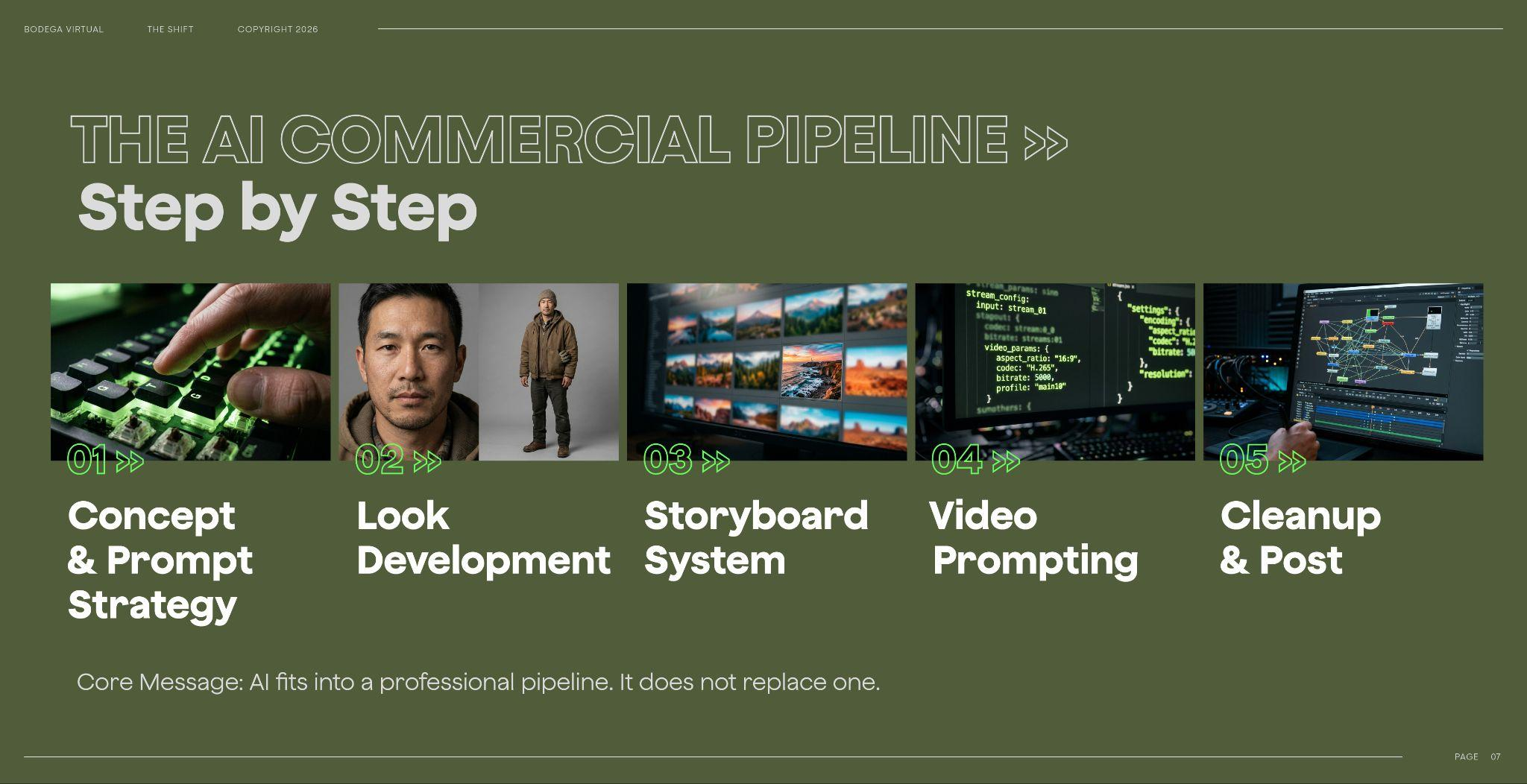
The AI Commercial Pipeline
The 5-Step AI Pipeline

Concept & Prompt Strategy → Look Development → Storyboard System → Video Prompting → Cleanup & Post. AI fits into a professional pipeline. It does not replace one.

8-bit to 32-bit Problem

Most AI models output 8-bit or 10-bit formats. Professional production needs 32-bit EXRs. The pipeline to bridge that gap is where the real craft lives.

Iteration Over Perfection

Build momentum through rapid generation. When it's not working, reconstruct the prompt, try something different. The teams with the best results iterate fastest.

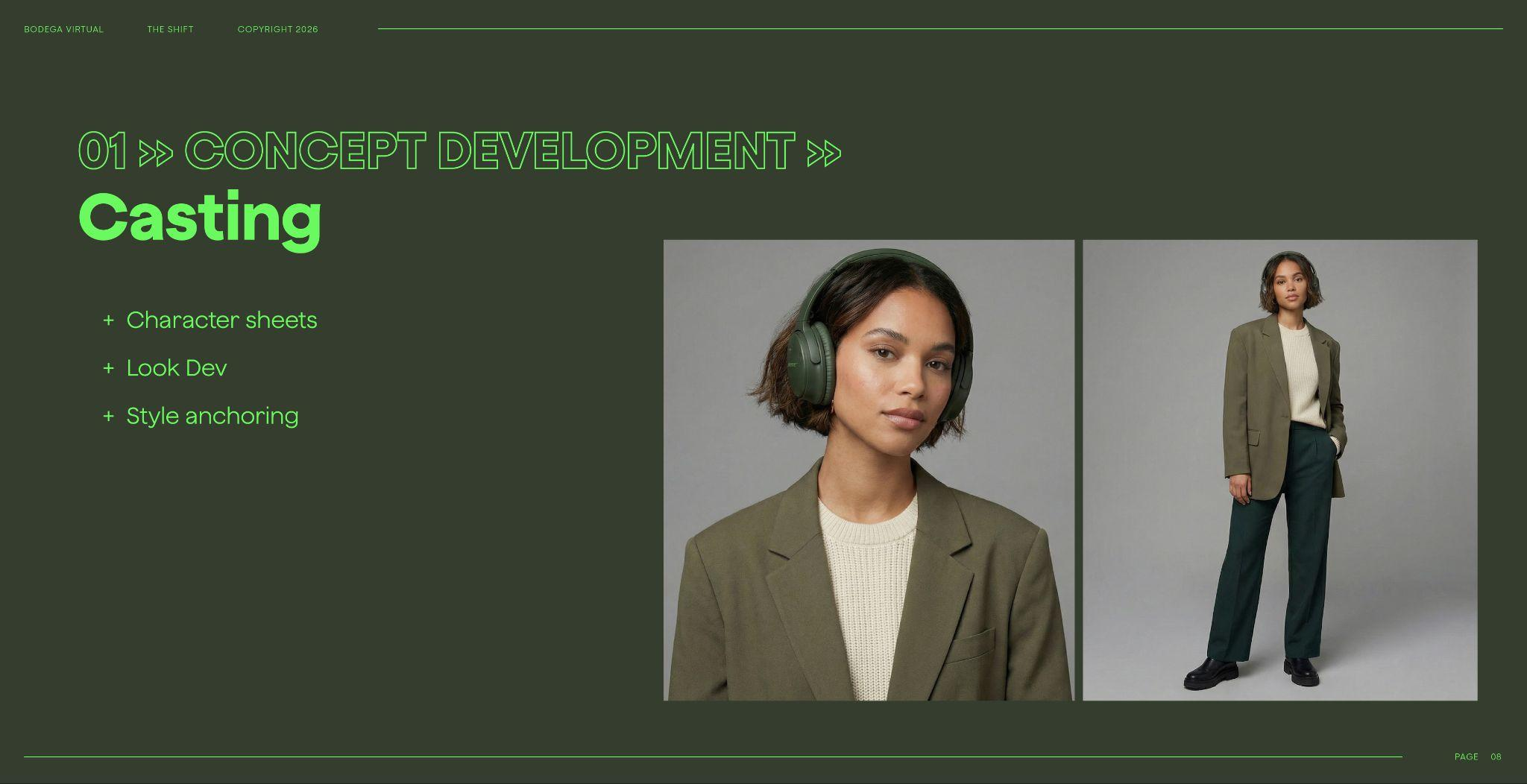
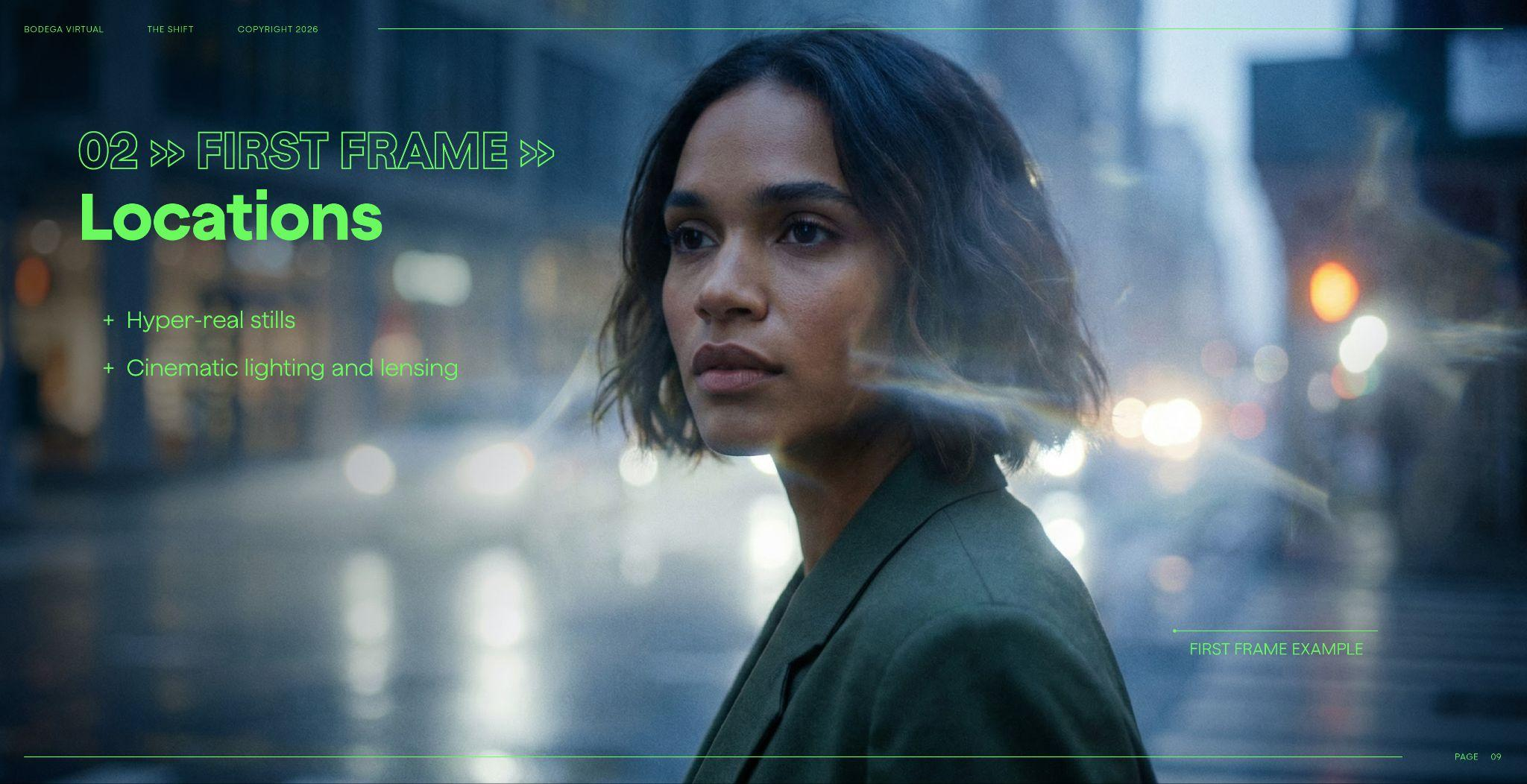
AI Casting & Look Development
Concept Development

Character sheets, look dev, and style anchoring. AI-generated casting with hyper-real stills and cinematic lighting.

The AI Pipeline
The AI Pipeline

From concept to final delivery, AI augments every stage. The pipeline stays professional; the speed changes everything.

Core takeaway: "AI fits into a professional pipeline. It does not replace one." The Bodega Virtual approach treats AI as one stage in a five-step commercial production workflow, not as the entire workflow. The discipline is in prompt strategy and look development. The speed is in iteration.

Vū Intelligence — AI Summit 2026
Content at the
speed of thought.
02
02 — Vū Intelligence

Interactive experiences
& new storytelling.

The audience isn't watching anymore. They're inside it.

1,450
Interactive experience insights
400+
Years collective experience in the room

The interactive experiences session surfaced a clear trajectory. The line between content and experience is dissolving. Participants demonstrated systems where audiences don't passively consume. They interact. They direct. They co-create in real time. Recruitment offices running immersive experiences. Branded activations where visitors build their own content within a framework. Platforms that let clients construct custom experiences from modular components.

The mentality driving all of it. Content at the speed of thought. Not content at the speed of a production pipeline. Not content at the speed of a render farm. At the speed of thought. The gap between having an idea and seeing it realized is collapsing toward zero. That's not a marketing line. Participants were building working prototypes in real time during the session.

The community dimension was significant. Participants described how virtual production created a community during the pandemic that persists today. It countered the entertainment industry's traditionally competitive culture. Over 400 years of collective storytelling experience was in the room. The emphasis was on learning together. Not protecting competitive advantages. Open sharing of techniques, collaborative problem-solving, collective experimentation with new tools.

The practical applications ranged from corporate recruitment to live entertainment to brand activations. The common thread: every experience is built to be modular, customizable, and deployable across contexts. Build once, adapt infinitely. The teams that figured out how to structure their experiences as platforms, not one-off productions, are the ones scaling.

Key Takeaway

Interactive experiences are no longer a specialty, they're the direction. If your content strategy still assumes a passive audience, you're building for a model that's already being replaced. The teams winning are the ones building modular, adaptable experience platforms rather than fixed productions.

Interactive Subtopics
Interactive Storytelling
1,138
Community & Collaboration
513
Custom Experiences
475
Live Knowledge Graph
1,069 nodes. 1,140 edges. Every conversation connected in real time across all five sessions.
Vū Intelligence — AI Summit 2026
The biggest media
disruption of
our lifetime.
03
03 — Vū Intelligence

On-set workflows
& prompt craft.

Prompt strategies are just writing everything down. That's the revolution.

One participant defined the moment plainly. This is the biggest media disruption of our lifetime. Not the internet. Not streaming. Not smartphones. AI's integration into on-set production workflows represents something more fundamental. A shift in who can produce. What they can produce. And how fast they can do it.

The concept of prompt strategies surfaced repeatedly. The definition was surprisingly grounded. It's really just about writing everything down. Documenting what you want. What you've tried. What worked. What didn't. And building a systematic approach to directing AI tools. The teams producing the best on-set results weren't the most technically sophisticated. They were the most methodical about their prompt documentation.

Practical demonstrations showed AI-generated elements blended with live-action footage using nothing more than an iPhone for real-time compositing. Registration objects grounded AI visuals in physical space, creating a level of realism that previously required specialized hardware and weeks of post-production. The CG concept of "look depth," building a model and layering detail until it holds up on screen, is being compressed from months to sessions.

The risk discussion was candid: AI introduces a quantifiable risk into production, but it's a controllable one. You can pull the lever on how much you rely on generated assets versus captured assets. The teams treating AI as a dial rather than a switch, adjustable by shot, by scene, by project, are getting the most consistent results without betting entire productions on technology that's still maturing.

Key Takeaway

Prompt strategy isn't a technical skill. It's production methodology. The teams that document their AI workflows like they document their camera setups, with the same rigor and repeatability, are producing better results and doing it faster. Start building your prompt playbook now.

On-Set Subtopics
Virtual Production
555
Industry Disruption
325
Prompt Workflows
300
Speaker Spotlight

Noah Kadner & Peter Frelik

American Cinematographer Magazine · Vū Podcast — "The Intersection of AI + Virtual Production"

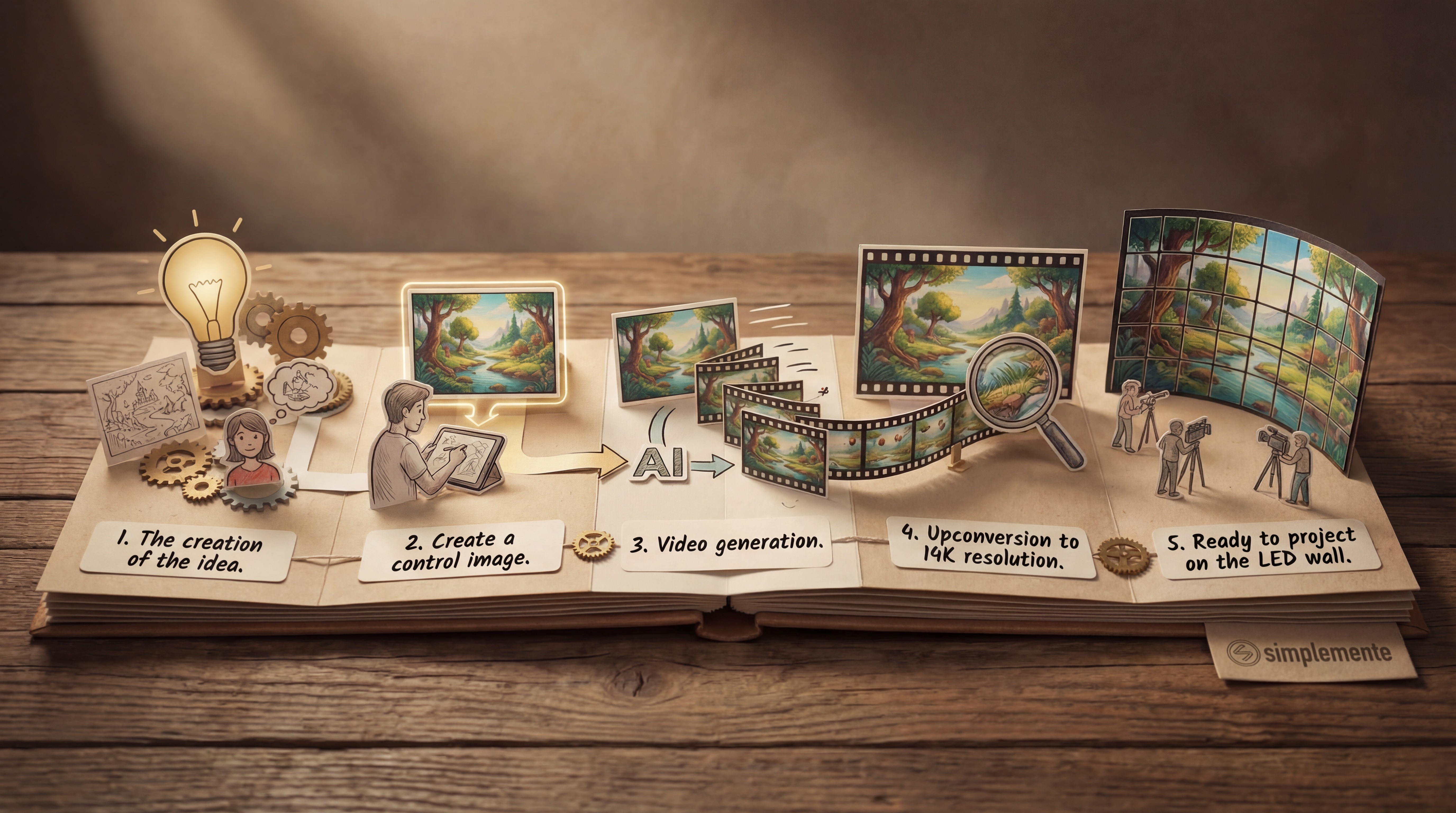
AI VP Workflow
AI + VP Workflow

Five steps from idea to LED wall: create, control image, AI video generation, upconvert to 14K, project on volume.

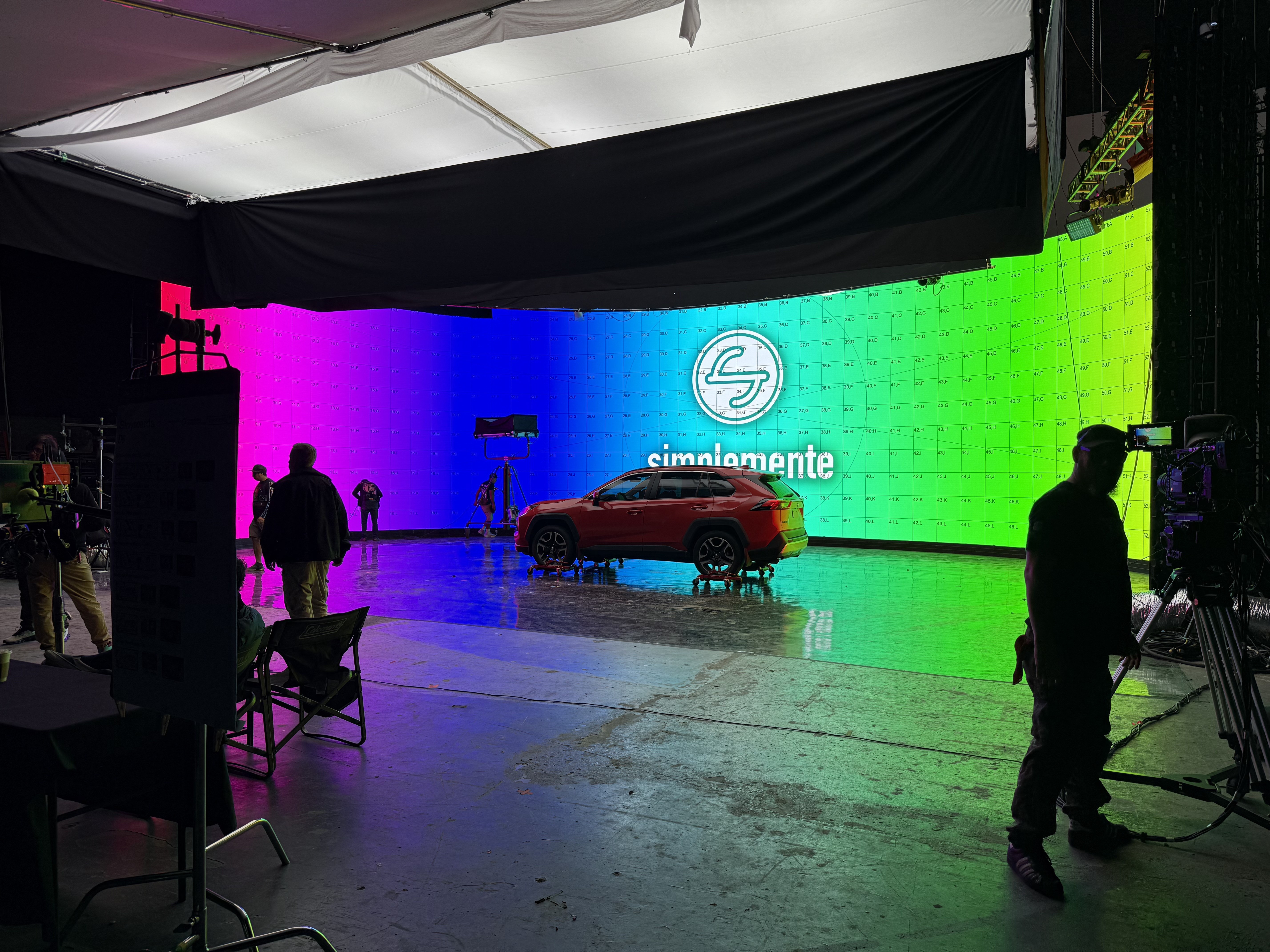
LED Volume Stage
LED Volume in Action

Physical subjects on an LED stage with AI-generated environments projected at scale. In-camera VFX, real-time lighting.

The Biggest Media Disruption

Not the internet. Not streaming. AI's integration into production workflows represents the biggest media disruption of our lifetime. A city built in three hours. Environments generated in real time.

Registration Objects & Grounding

The craft of making AI feel real: physical objects as anchors, real lighting for believability, perspective matching that bridges the gap between generated and captured. The table grounds the creature.

Community Over Competition

Virtual production built a community during the pandemic that persists today. In a traditionally competitive industry, the people figuring out AI are doing it together, not in isolation.

3 hrs
To build a city with AI
534
On-set workflow insights
Real-time
Environment generation

"The concept of prompt strategies is really just about writing everything down. It's the same discipline we've always needed."

— On the craft of directing AI tools

Core takeaway: AI in virtual production isn't replacing cinematographers. It's giving them tools that compress timelines from weeks to hours while maintaining the craft that makes imagery believable. The secret is grounding: registration objects, real lighting, perspective matching. The AI generates; the human directs.

The tools arrived faster than
the workflows to use them.

In Their Own Words

"AI post-production makes advanced techniques accessible to projects of all sizes and budgets. That's not a feature. That's a structural change in who gets to make things."

— Production Technology Lead

"The concept of prompt strategies is really just about writing everything down. It's the same discipline we've always needed, we just have a new name for it."

— Virtual Production Director

"This is the biggest media disruption of our lifetime. And the community that formed during the pandemic is how we're going to figure it out together."

— On-Set Workflow Specialist

"When it's not working, you have to think differently, reconstruct your prompt, try something entirely new. The tool doesn't replace creative judgment. It amplifies it."

— AI Content Creator
Vū Intelligence — AI Summit 2026
Media generated
in real time.
On demand.
For everyone.
04
04 — Vū Intelligence

The next wave
of media.

Procedural. Proactive. Personalized. Portable.

The Next Wave of Media: Procedural, Personalized, Proactive

Vū CEO Tim Moore opened his keynote with a simple thesis. Media is shifting from static files to real-time systems that generate content instantly based on context and intent. Instead of searching or scrolling, media will proactively respond. It will automatically create visuals, information, and experiences the moment you need them.

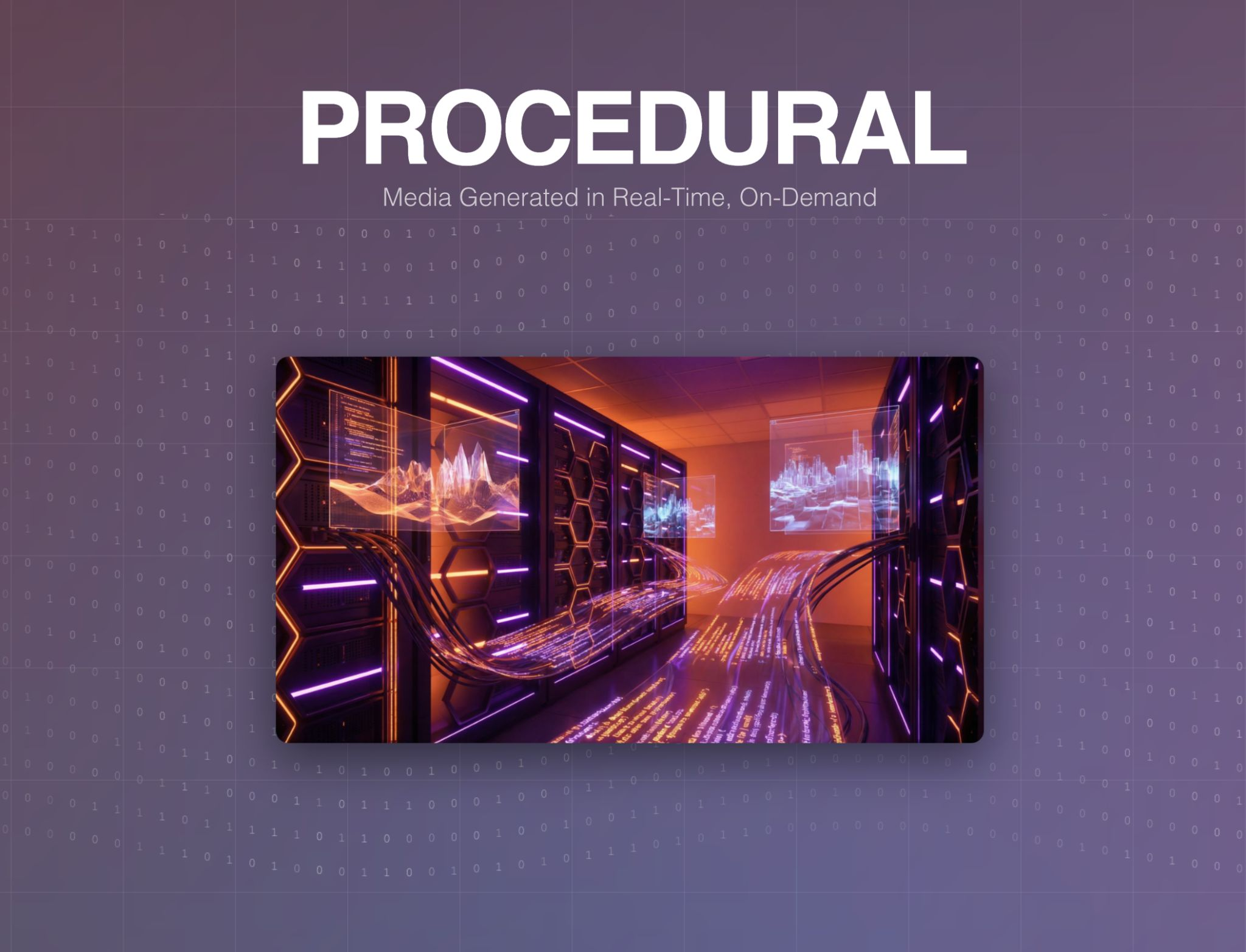
The framework breaks into four stages. First, media becomes procedural. Not fixed files stored in folders. Code plus rules plus data, generated in real time. Games already do this. F1 telemetry drives dynamic visualization. AI generates video and images on the fly. The shift is fundamental: stop making media. Start making machines that generate media.

Second, media becomes proactive. The evolution runs from reactive (Google search: you type, it responds) through predictive (TikTok: it guesses what you want) to proactive (the system acts before you ask). Trigger-based. Context-aware. Action-oriented. Media becomes an agentic automation engine with real-time context ingestion and behavior analysis.

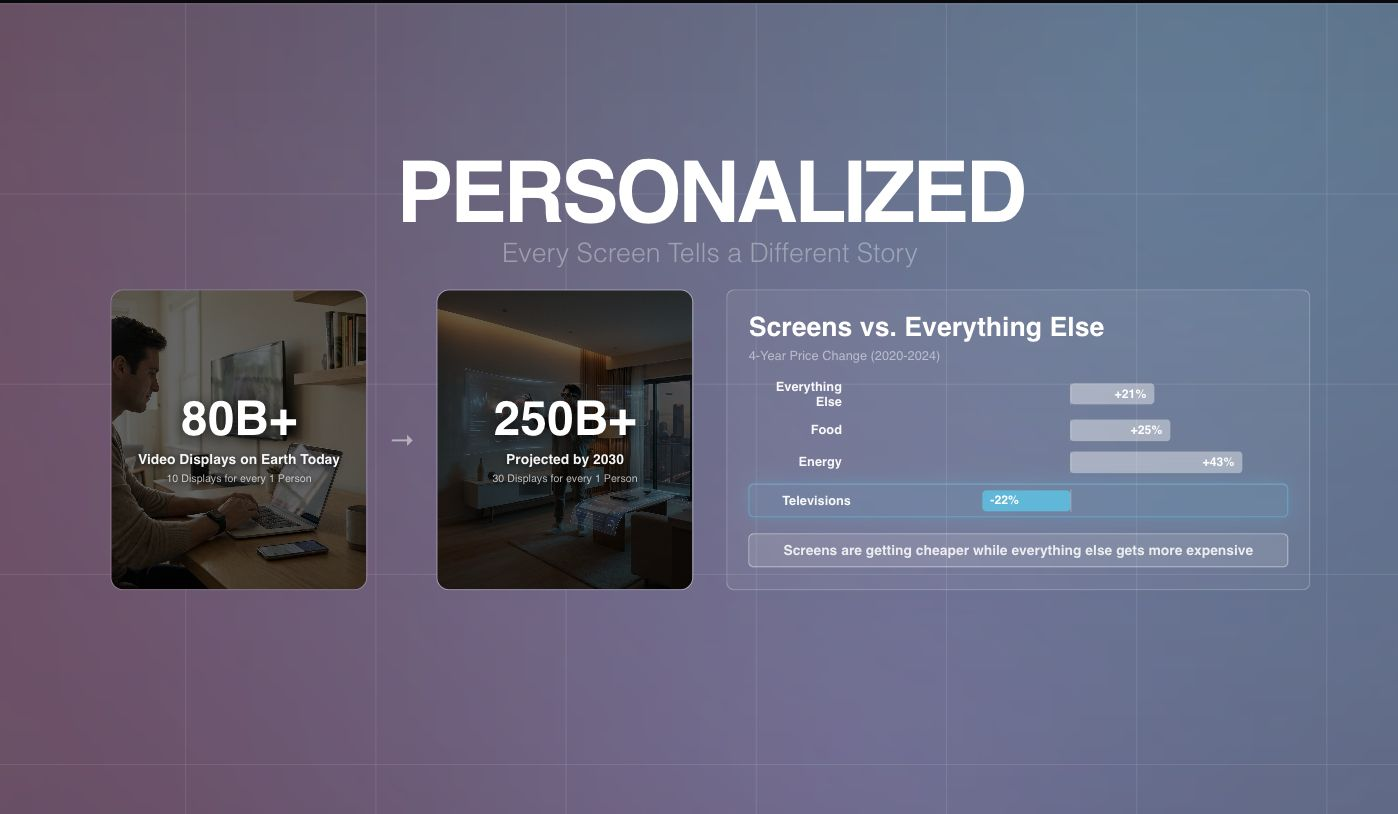
Third, every experience becomes personalized. Static content gives way to adaptive systems. A continuous feedback loop where viewer behavior is analyzed and media updates in real time. One presentation generates thousands of personalized versions. Each viewer sees different visuals, different pacing, different emphasis. All of it collapses into a single interface where apps, files, and tabs disappear.

Procedural Media
Procedural

Media generated in real time, on demand. Not pixels stored in files. Code, rules, and data that build content the moment it's needed.

Personalized Screens
Personalized

80 billion video displays today. 250 billion projected by 2030. Every screen tells a different story, adapted in real time to each viewer.

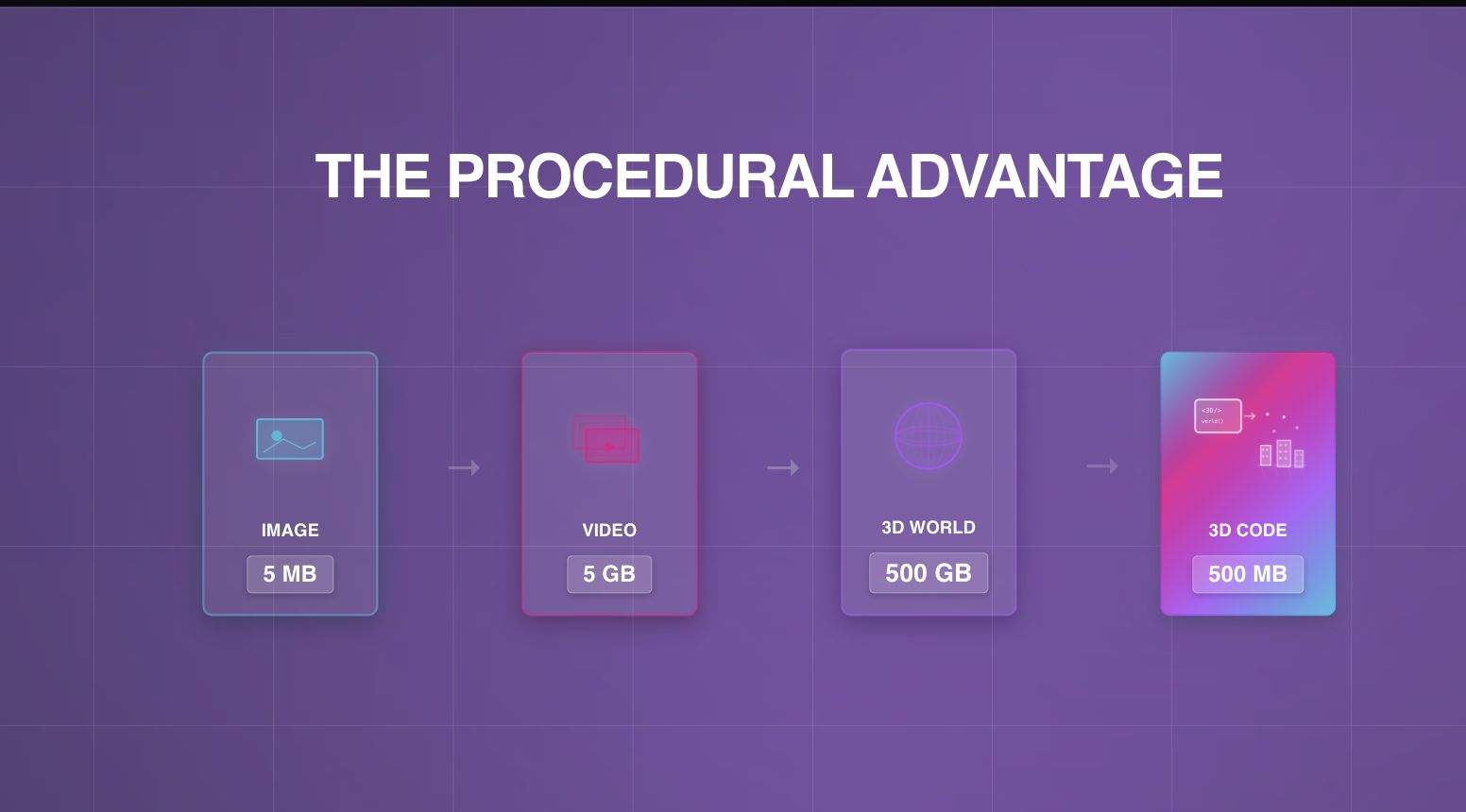
The Procedural Advantage
Key Takeaway

The next wave of media isn't about better files. It's about systems that generate the right content for the right person at the right moment. Procedural generation compresses a 500 GB 3D world into 500 MB of code. Proactive media acts before you ask. Personalized streams adapt to every viewer in real time. The companies that build these systems own the next era of content.

Vū Intelligence — AI Summit 2026
The AI agent that
follows up on leads
while you're still
at the booth.
05
05 — Vū Intelligence

Agentic AI &
enterprise workflows.

Six months between a trade show and a follow-up email. AI agents end that.

1,212
Agentic AI insights
136
Automation-specific findings

The agentic AI session moved the conversation from content creation to business operations. AI agents identify qualified leads. They automate email outreach. Not six months after a trade show. During it. Systems have persistent access to calendars, email, and contact databases. They generate custom follow-ups based on the actual conversation that happened. Not a generic template.

The prototype demonstrations showed AI agents creating a financial cycle that benefits both clients and investors. Intelligence gathered from production workflows feeds business development. That funds more production. Which generates more intelligence. The system isn't a chatbot answering questions. It's an operational layer that sits across workflows. It connects data from separate processes into coherent action.

The medical application was particularly striking. AI prototypes shown to surgeons were comforting specifically because of what the AI couldn't do on its own. The boundary between AI assistance and autonomous action was drawn at the point where clinical or creative judgment is required. The surgeons' first question was always about control, and the answer was always that the human stays in the lead.

The reference to Vū's own Vū Intelligence platform made it concrete: a system that listens to group conversations and generates structured intelligence from them. A major hospital deployment was cited as proof that the technology works in real environments, not just demos. The pattern: AI agents that augment human decision-making by handling the data processing that humans can't do at speed, while leaving the decisions to the people in the room.

Key Takeaway

AI agents are operational infrastructure, not experiments. The organizations deploying them now are building compound advantages: better follow-up, faster intelligence cycles, tighter feedback loops. The gap between companies using AI agents and companies considering them widens every month.

Agentic Subtopics
Knowledge & Intelligence
508
AI Agents & Automation
136
Ethics & Governance
34

The people in this room
aren't waiting for permission.

Captured in real time by Vū Intelligence, an AI-powered event intelligence platform that builds living knowledge graphs from live conversation. All participant contributions are anonymized.

Vū Intelligence  |  Vū AI Summit 2026  |  March 2026
summit.vu.ai